Limescale: Causes, Removal and Prevention
In short
Limescale is the calcium and magnesium that hard water leaves behind when it is heated or dries, and on Portsmouth's 263 to 310 mg/l supply it builds up quickly on kettles, taps and showers.
Chalk & Cistern notes · checked and updated
Shop links on this page: Chalk & Cistern is owned by the same people as SoftPro Water Systems and Quality Water Treatment, the two US water-treatment shops linked on this page. They appear only as US reference models, and what a shop says about its products is reported as its claim. How shop links work
On this page
In brief
- The DWI describes scale as deposits of calcium and magnesium that build up on heating elements, shortening their life and making appliances less efficient (DWI).
- Water at 200 mg/l or harder produces scale, by the WHO figure the DWI quotes; every Portsmouth Water zone averaged 263–310 mg/l in 2026.
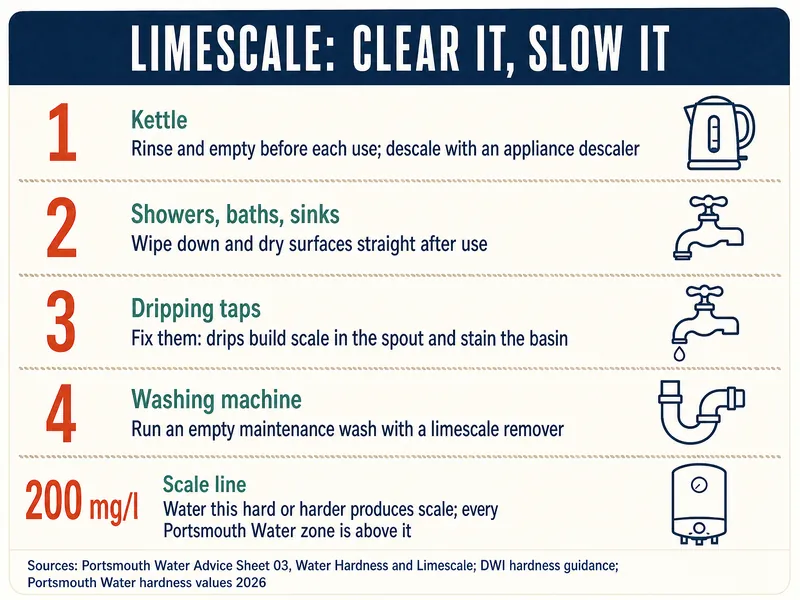
- Portsmouth Water's limescale advice sheet recommends rinsing the kettle before use, drying showers and baths after use and fixing dripping taps.
- Vaillant's boiler manual says scale deposition increases as water temperature rises, and lists scale in the secondary heat exchanger as a fault cause.
- Approved Document L, para 8.8, expects scale treatment on the feed to combi boilers and water heaters where hardness is over 200 ppm.
- The DWI says magnetic scale devices "do not soften the water" and should be bought only on sale or return.
What is limescale made of?
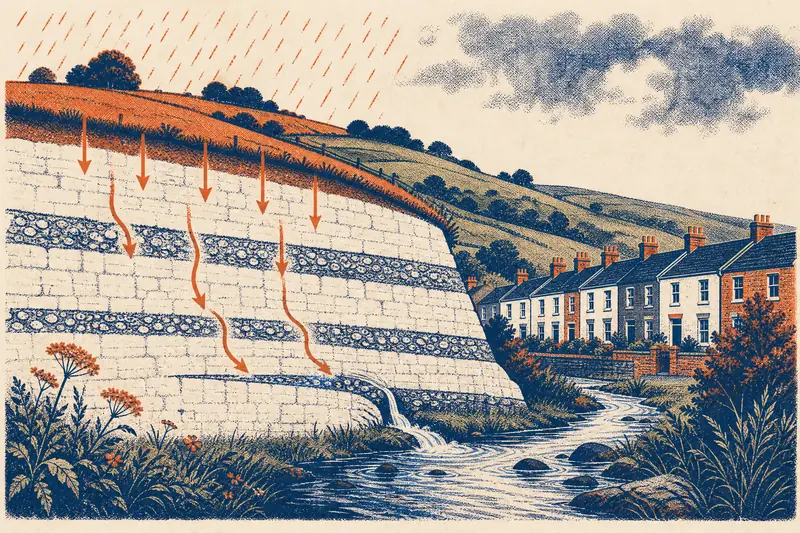
Calcium and magnesium carbonates, mostly calcium, left behind when hard water is heated or evaporates. The DWI defines scaling as "deposits of calcium and magnesium that build up on heating elements over time". In chalk water, calcium is the main hardness mineral and bicarbonate the main partner, according to the British Geological Survey's Hampshire Chalk study.
The part that turns to scale is what the DWI calls temporary hardness: calcium and magnesium carbonates and bicarbonates that "can be removed from the water by boiling, forming scale". That is why the white crust is thickest where water gets hot, on kettle elements and inside boilers, and why a dripping tap or a shower screen that dries in the air also collects it.
Why does limescale build up so fast here?
Because the water is hard to very hard: Portsmouth Water's 2026 zone table gives averages of 263 to 310 mg/l as calcium carbonate, about 18 to 22 °Clark. The DWI, quoting the WHO, says water at 200 mg/l or higher will produce scale, and every zone clears that mark by 63 mg/l or more.
Heat speeds it up. Vaillant's installation manual for its ecoTEC plus boilers puts it in one line: "Scale deposition increases as the water temperature increases." So the hottest surfaces in the house, kettle elements, combi heat exchangers and electric shower heaters, scale first. The hard water page shows each zone's figure.
How do you remove limescale from kettles and taps?
With a descaler made for the job, used as the label says, and little and often. Portsmouth Water's advice sheet says appliance descalers are "quick acting, easy to use and very effective", and that descaling improves an appliance's performance as well as clearing the scale. It also suggests rinsing and emptying the kettle before each use and cleaning it out regularly.
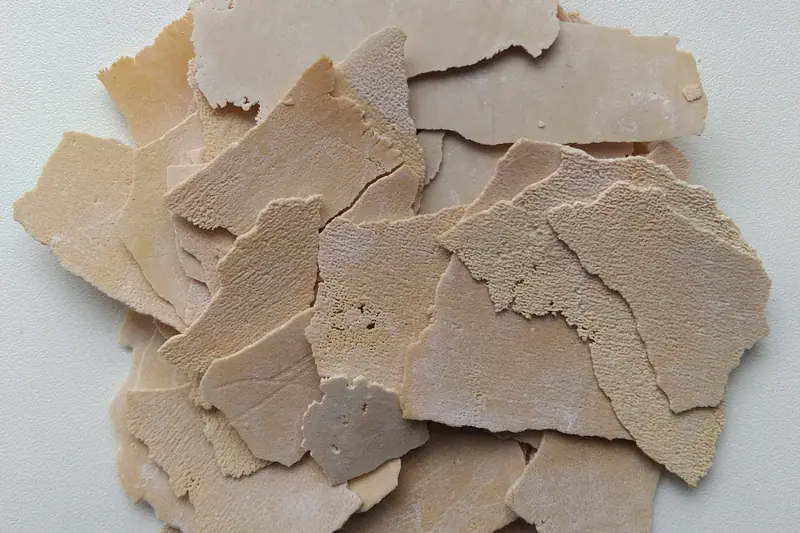
Take care with the element. The same sheet says a little limescale will not hurt a kettle element provided water can circulate around it, so there is no need to chip at it. In a new plastic kettle you may see cloudy water or a film on the surface, because scale does not stick to plastic; Portsmouth Water says the film is safe to drink.
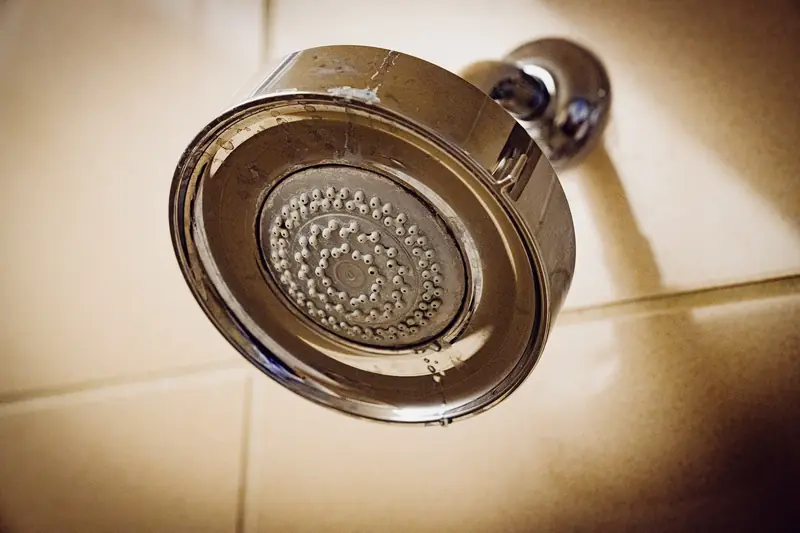
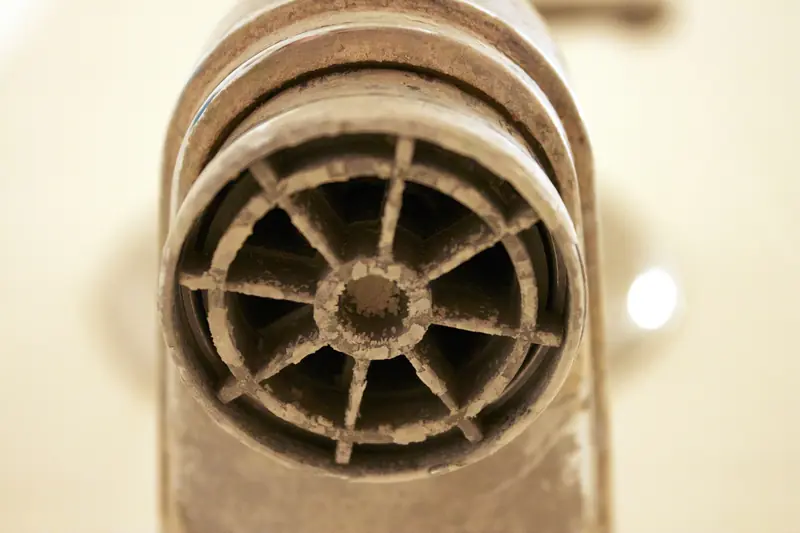
For taps, the leaflet's main point is prevention: a dripping tap builds scale in the spout and stains the basin, so fix the drip. Many tap aerators unscrew for cleaning, and one like the outlet pictured can soak in a limescale remover as its label directs. For a steam iron, Portsmouth Water suggests de-ionised, distilled or cooled boiled water and descaling to the maker's instructions.
How do you clear limescale from showers and toilets?
Wipe surfaces down and dry them straight after use, then deal with what remains using an all-purpose limescale remover. That is Portsmouth Water's order of advice for showers, baths, sinks and toilets, and its leaflet calls limescale removers "quick acting, easy to use and very effective". Clean scum from sinks and baths while it is still warm.
Mind the surface. The leaflet warns that abrasive cleaners may scratch plastic and enamel, so a liquid cleaner is the safer routine. The DWI notes that hard water leaves "tide marks" on basins, sinks, baths and toilets, which regular cleaning keeps thin. For washing machines, run an empty maintenance wash with a commercial limescale remover now and then, as the leaflet suggests.
| Place | What you see | Suggested step |
|---|---|---|
| Kettle | White crust on the element, flakes in the water | Rinse and empty before use; descale with an appliance descaler |
| Taps | Crust on the spout and aerator, stains below | Fix drips; keep the outlet clean |
| Showers, baths, sinks | Tide marks and scum | Wipe and dry after use; liquid cleaner; limescale remover |
| Steam iron | Scale in the soleplate vents | De-ionised, distilled or cooled boiled water; descale per maker |
| Dishwasher | Film on glasses | Use the built-in softener as the manual says |
| Washing machine | Scale on the heater | Empty maintenance wash with a limescale remover |
Can you stop limescale coming back?
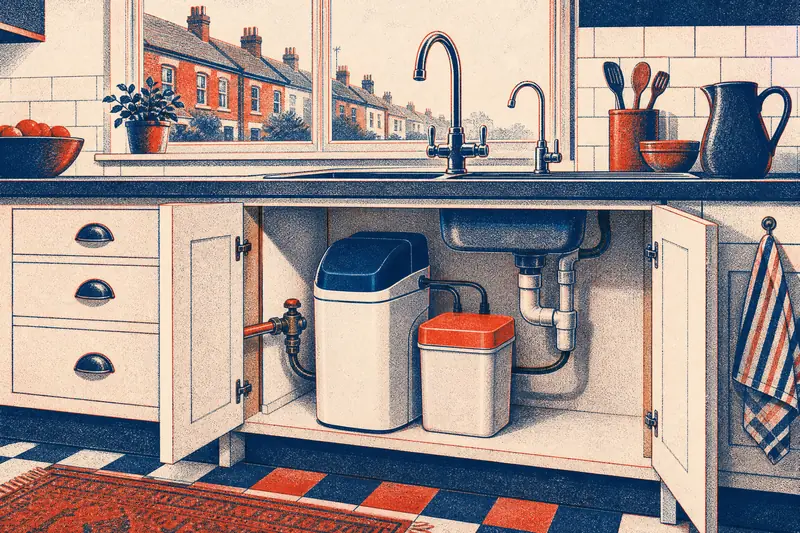
Only softening removes the hardness that causes it; everything else slows it down. The DWI says a softener "will improve the efficiency and increase the life of domestic appliances" and reduce tide marks, and that softening just before the hot water tank or boiler is cheaper than softening the whole supply. A softener that regenerates with water needs notice to Portsmouth Water first under regulation 5, and official advice is to keep an unsoftened drinking tap in the kitchen.
Scale reducers are the other route. Worcester Bosch's technical bulletin TB 0072a lists magnetic, electronic, electrolytic and polyphosphate scale inhibitors as suitable for its appliances, while the DWI says magnetic devices "do not soften the water" and advises buying on a sale or return basis. Some jug filters contain ion-exchange beads that the DWI says may minimise kettle scale.
For comparison, the SoftPro Elite softener (SoftPro Water Systems, a US shop with the same owners as this site) is a salt-based ion-exchange unit, and the SoftPro Elite salt-free unit (Quality Water Treatment, a US shop with the same owners as this site) is sold as a conditioner that reduces scale without salt and leaves the hardness minerals in the water. Both are US reference models. Any unit fitted in a UK home must meet the Water Fittings Regulations, so ask the installer to show that it complies. The water softeners and scale reducers pages compare the two approaches.
Does limescale harm appliances?
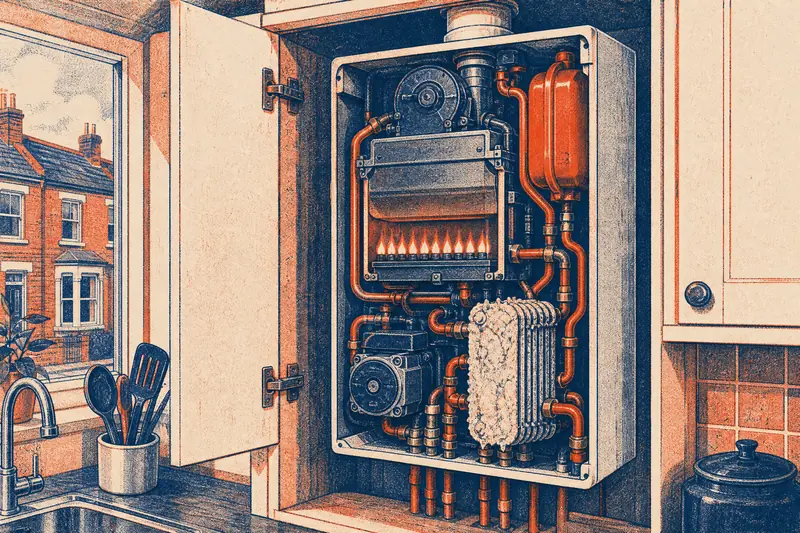
Yes, over time: the DWI says scaling of heating elements "shortens their life and makes appliances less efficient". In a combi boiler the hot-water plate heat exchanger is the weak point, and Vaillant's list of faults gives "Scale in the secondary heat exchanger" as a cause, with the remedy to descale or replace it. That work belongs to a Gas Safe registered engineer, not a householder.
Makers set terms around it. Worcester Bosch's cover for its hot-water heat exchanger requires a scale prevention device where temporary hardness exceeds 200 ppm, and Approved Document L says the feed to combis and water heaters should be treated in hard water areas. The combi boilers page covers what an installer should fit, and the powerflush page covers the heating side, which is a different problem from scale.
Limescale soundings
- 200 mg/lhardness at which water produces scale (WHO, quoted by the DWI)DWI
- 263–310 mg/lPortsmouth Water zone averages, 2026Portsmouth Water hardness values
- 105–124 mg/lcalcium in those zonesPortsmouth Water hardness values
- 267 ppmpoint (15 °dH) above which Vaillant says softening may make senseVaillant ecoTEC plus manual
- 200 ppmtemporary hardness above which Worcester Bosch says a scale prevention device may need to be consideredWorcester Bosch Greenstar 4000 manual
Where these figures come from
Removal and prevention steps come from Portsmouth Water's Advice Sheet 03, "Water Hardness & Limescale in the home" (uploaded 2022). What scale is and what it does comes from the DWI's hard water page (modified February 2026) and the BGS baseline report on Hampshire's Chalk (2009). Hardness figures are Portsmouth Water's 2026 zone averages. Maker positions are from the Vaillant ecoTEC plus installation manual (2024), Worcester Bosch's heat exchanger terms and bulletin TB 0072a, and the rule from Approved Document L para 8.8. Read October 2026. Left out: home recipes such as vinegar or citric acid, which no primary source here gives with quantities, and any figure for energy or money saved by descaling, which none of these sources quantifies.
Further questions
Is limescale in a kettle harmful to drink?
Portsmouth Water's advice sheet says the film that floats on water from a new plastic kettle is "perfectly safe to drink". Most people still prefer to rinse and descale the kettle for the taste and the element's sake.
How often should a kettle be descaled on Portsmouth water?
No source gives a fixed interval. Portsmouth Water advises cleaning it regularly and rinsing it before use; descale when you see a crust forming on the element.
Why is there a scum on my tea?
Hard water leaves a scum on hot drinks, especially tea brewed in the cup with a bag, according to the DWI. Portsmouth Water suggests a teapot, milk in first and loose tea that is not left to stew.
Will a softener clear old limescale from pipes?
The DWI describes a softener as a way of preventing hardness salts from settling as scale; it says nothing about dissolving deposits already there. Scale on existing fittings and elements still needs cleaning out.
Does an electric shower scale up faster than a mixer shower?
An electric shower heats cold mains water inside the unit, and Vaillant's manual notes scale deposition rises with temperature. Follow the shower maker's instructions on descaling its head and keep the spray plate clean.
What is the best way to treat tide marks in a toilet?
The DWI names toilets among the places hard water leaves tide marks. Portsmouth Water's sheet suggests an all-purpose limescale remover and warns that abrasive cleaners can scratch enamel.
Are limescale and sludge the same thing?
No. Limescale forms on the hot-water side from hard mains water, while sludge collects in the sealed heating circuit from corrosion. Cleaning that circuit is covered on the powerflush page.
Keep reading